Looking for something?


Posts Tagged ‘place-based networks’

I’m happy to see that Shelly Palmer is giving a keynote at next month’s DSE on “DOOH Disrupted: Paths To A Connected Future.”

Words like Mobile, Multi-channel, Cross-channel, Social, etc are high on our agendas and prominent in all our market forecasts. And of course, all these words and technologies are by-products of the connected world we live in. So I hope that Shelly emphasizes in his talk that connectedness can never be an afterthought. It’s strategic and critically important. Our screens, players, media, infrastructure and data cannot survive as islands. Our industry is clearly moving in the right direction - it wasn’t so long ago that most out-of-home screens were playing video tapes!

The opportunity is for more DOOH media (for example DOOH applications, messaging and adverts) to work across channels. This can only hasten industry growth in scale and value.

I gave a talk at last year’s Screen Media Expo in London titled The Future Is Now which I think is worth re-visiting. You can view the presentation here. At the end of that presentation, I suggested a ten question “connectivity test” as a fun way to provoke discussion (I’m sure some of those questions could be better framed today but hey it’s free!).

What’s your DOOH connectivity score?

Share

Click picture to enlarge

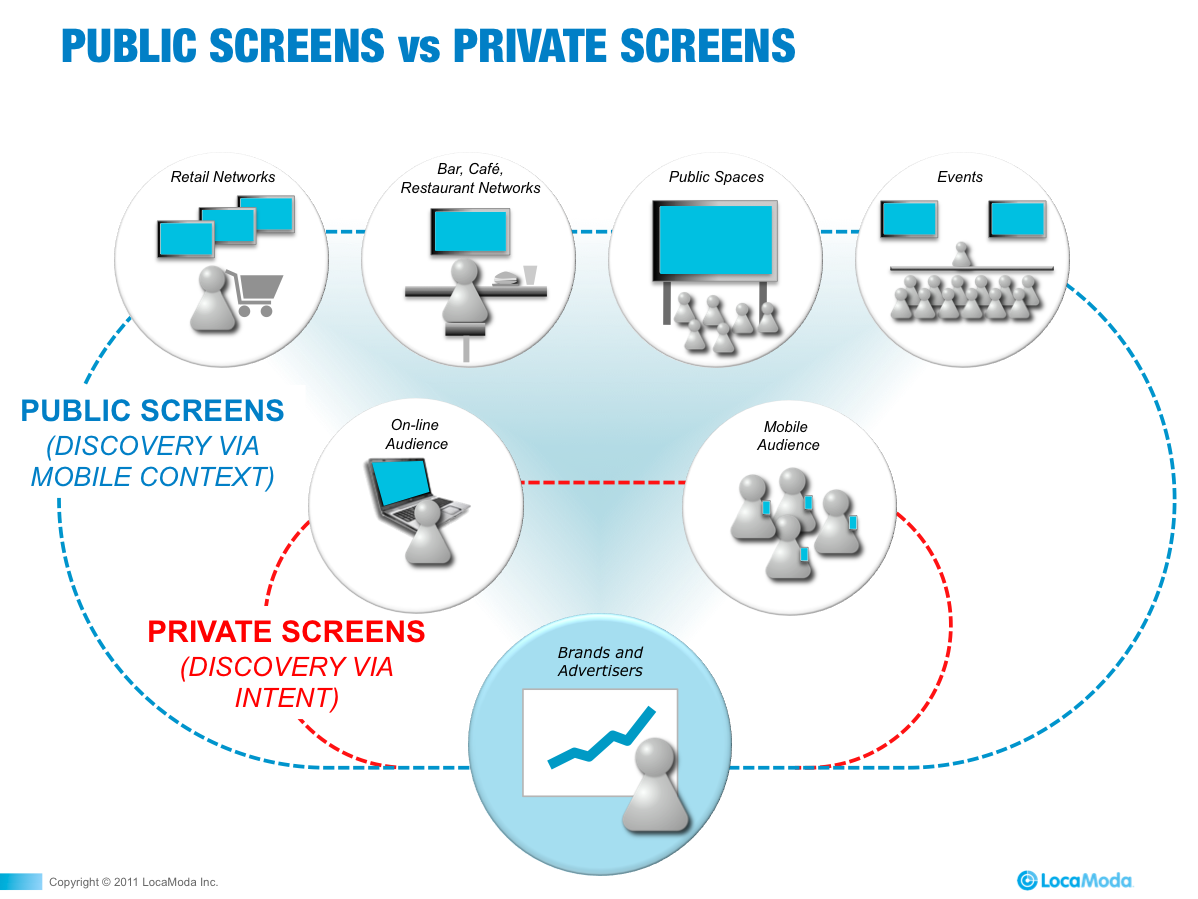
Not all screens are created equal. I’m not talking about the whiz-bang of 3D or electronic ink, or flexible LEDs or other tantalizing technologies. I’m talking about the connective tissue that relentlessly reduces the friction for media to find a screen near you.

The money is in the HOW and WHO controls the access rights for media to find us.

On private screens, such as PCs or mobile screens, users’ access to media is broadly via search or browsing links - in other words it’s driven by a user’s INTENT. A marketer cannot force their way in front of a user’s face without hoping to influence their intent or be paying (e.g. Google or Facebook) for the results of their intent.

On a public screen, such as a place-based digital screen, access to media is broadly via a user’s “MOBILE CONTEXT” - mobile in this sense is not a technology but a behavior - shopping, meeting, traveling, drinking, waiting etc. Subject to a user’s mobile context, marketers can force their way in front of the user’s face BUT that does not give them permission to go any further. There is no automatic path (push) to a user. The user has to have the intent to pull the marketer’s message in.

Connecting these two paradigms; intent-based screens to mobile-context-based screens is how to unleash the latent value in the DOOH ecosystem.

Share

LocaModa’s typical work involves enabling channel partners’ place-based social media apps (for example the Sports Bites application for Zoom Marketing and Media and the NYTimesToday.com Twitter application for RMG) and building fully integrated advertising campaigns for brands such as AT&T, Vans, Verizon etc.

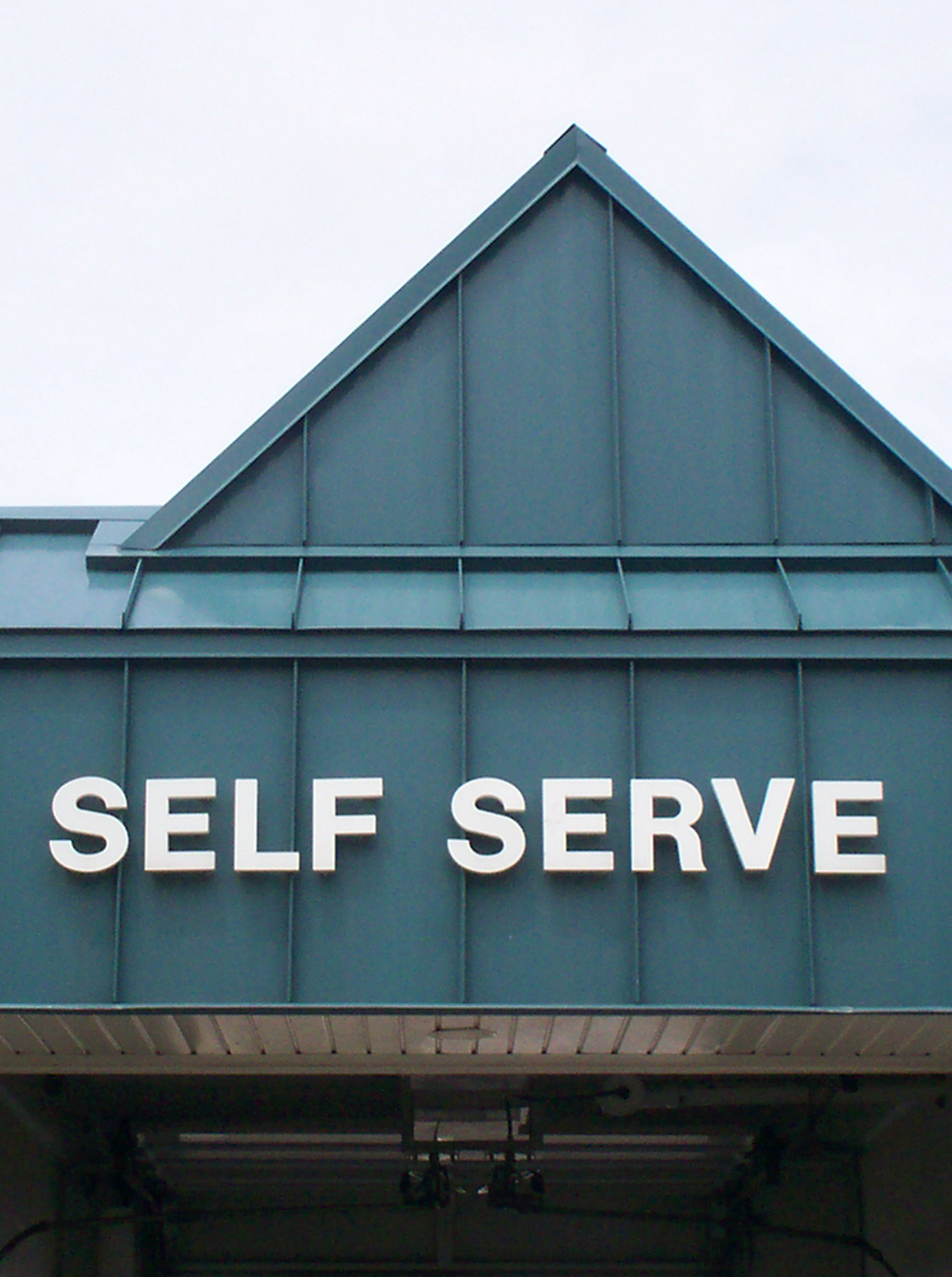
But we also have a self-serve business over at www.wiffiti.com (soon to be renamed to fall under the LocaModa brand). The site’s primary purpose is to help end-users build and spread simple place-based social media apps. And it also gives us insights into how people are using our platform.

The result? Today the site clocked its 45,000th application, with over 50 apps built by midday today! A surprising number of the applications have been built by teachers seeking a more direct and fun way to connect to their students (see this Web 2.0 EDU blog post on “5 Way To Teach With Wiffiti In The Classroom”).

Some screens have been used in churches for similar reasons - audiences of all types clearly want to connect. The site also helps professional users “try before they buy” (that’s the “freemium” business model) for use at conferences (here’s an example from the Mashable Media Summit), events, concerts and a even stand-up comedian!

Self-serve equates to roughly 10% of our business. There will always be a requirement for custom applications and professional services for larger DOOH networks and campaigns, but we have to wonder if that percentage is indicative of the wider DOOH opportunity.

Share


LocaModa Ninjas

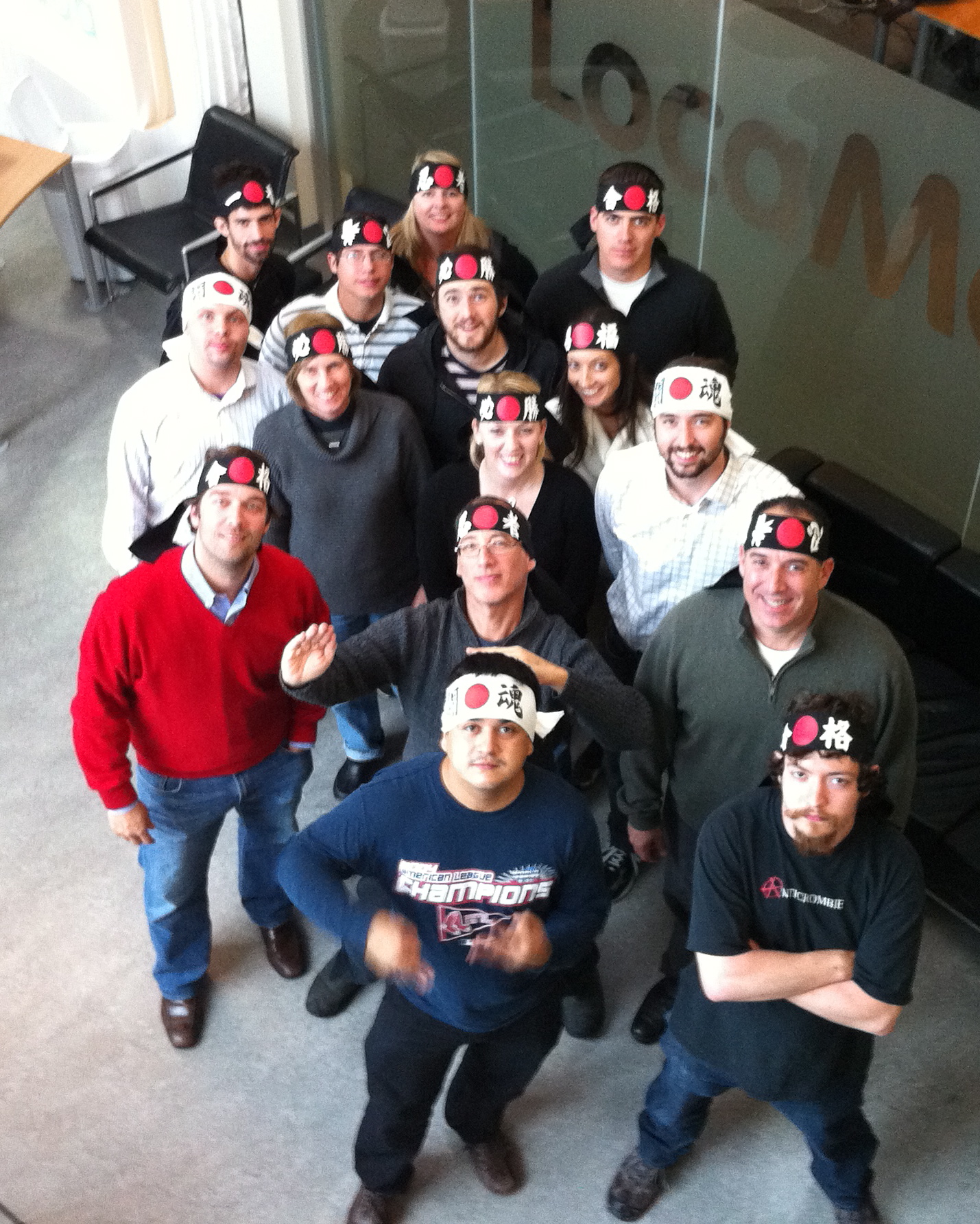
Bill Nast, LocaModa VP Business Development and I have just returned to Boston from a week in Japan, and brought home some headbands for the team. The meanings of the symbols we’re wearing are Success, Victory, Ninja, Number One and Coming Happiness.

Share

This post is the third in a series of Tips for Displaying Social Media Content on Place Based Screens. Previous posts in the series discussed removing URLs and revealing backgrounds and the value of curation.

Many of LocaModa’s social applications involve pulling in content from Twitter and Flickr. In addition to basic Twitter to Screen and Flickr to Screen apps, more specialized apps like social polls and the Foursquare app also rely on tagged social media content in addition to real-time text to screen capabilities. As discussed in my post yesterday on Moderation v. Curation, engaging content proves essential to grabbing eyeballs for more than a split second, particularly in people-packed places. I’ll say it again: curation proves to be the best route to clean, culled content.

But what if your campaign is on a smaller scale than most LocaModa cross-channel executions, and you choose to rely on tagging alone to bring in relevant messages. Are you instantly hampered by misappropriated, mishmashed content?

Not if you tag smart.

Here’s a round-up of social media tagging tips from our years of experience here at Loca. Although these guidelines overlap in many ways with basic SEO and keyword marketing logic, these tips focus more specifically on place-based displays.

1. For a screen directly correlated to a specific venue, be careful if your bar or cafe name is on the generic side. No one at Joe’s Gourmet Pizza wants to know that “haha… my bro Joe stayed at the bar til 4am and then puked pizza on the cat. lol.” Well, maybe they do. But probably not while they’re eating.

Instead of tagging simply “joe” and “pizza,” tag the entire phrase “Joe’s Gourmet Pizza.” You’ll sacrifice message volume the more specific you are, but you’ll gain precision. If you’re not going to go the curation route, specificity in tagging will save you headaches from patrons later.

2. Watch your homophones. As an example of our current World Cup campaign: the Brazil superstar, Kaka. You giggle; Venue owners won’t. Toilet humor and selling sandwiches don’t mix.

3. Some venues try to take the easy way out and tag their screens with random “fun” tags like “party,” “bash,” and “awesome,” thinking it will pull in light, happy messages. Well, let’s experiment. I just went to Twitter and searched for “party.” The first tweet in the list:

It’s not offensive, but it’s certainly irrelevant, particularly if the venue was going for a fun and light vibe. In short, perform multiple Twitter and/or Flickr searches for the tags you have in mind before committing. Oftentimes, the context you’re thinking about isn’t the prevalent one.

4. Along the same vein, watch your hashtags. If you’re staging the National Safety for Farm Workers convention, you probably don’t want to tag your screen #nsfw. That’s probably not how you want to envision your horses.


Share